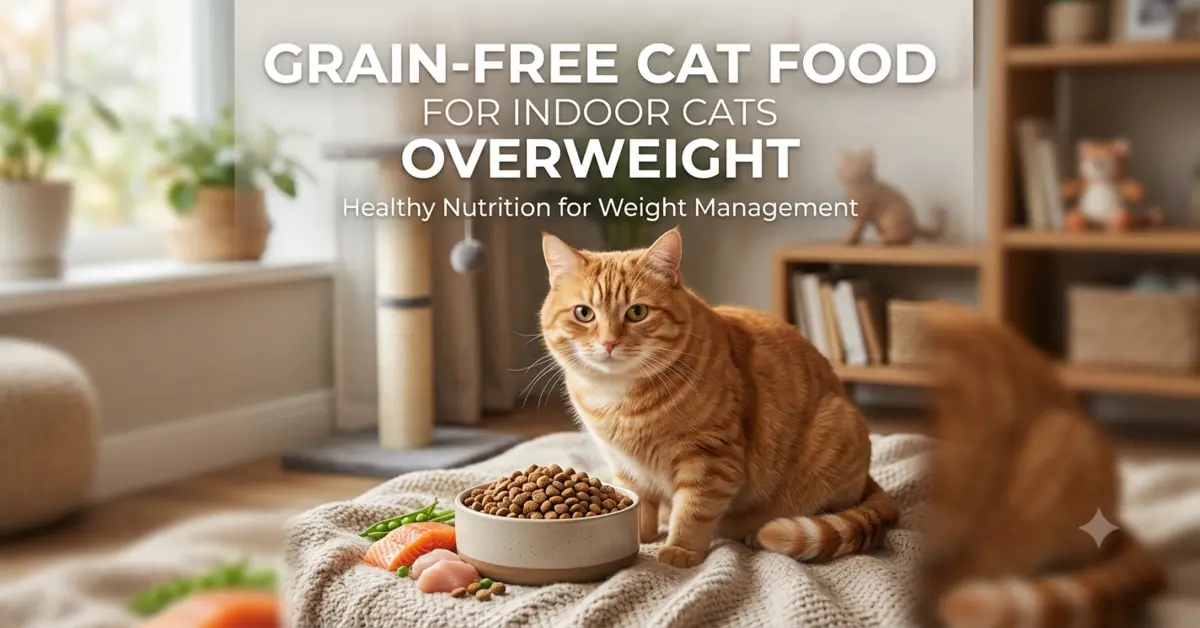
Grain-free cat food is not a low-calorie food. Most grain-free formulas replace grains with high-calorie ingredients like peas, lentils, chickpeas, and potatoes. For indoor cats that move very little throughout the day, this calorie surplus accumulates quietly and drives steady weight gain over months.
The grain-free label signals what the food does not contain. It says nothing about how many calories it delivers per serving.
What Grain-Free Actually Means on a Cat Food Label
Removing grains from a cat food formula does not remove carbohydrates. Manufacturers replace corn, wheat, and rice with legumes and root vegetables to maintain the texture and structure of the kibble.
These replacement ingredients are not lower in calories than the grains they replace. In many cases they are higher. A cup of grain-free kibble often delivers more calories per serving than a standard formula of the same size.
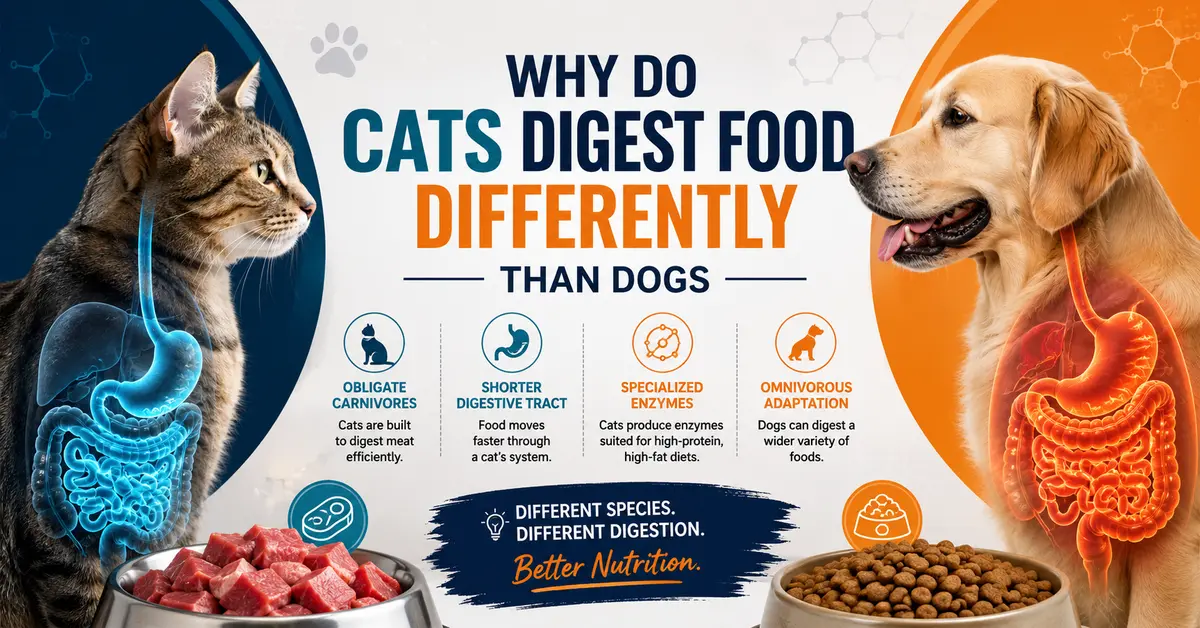
The marketing around grain-free food positions it as a more natural and biologically appropriate choice for cats. This framing is partially accurate. Cats are obligate carnivores and do not require grains. But the absence of grains does not automatically make a food leaner or more suitable for a sedentary indoor cat.
Why Indoor Cats Are Especially Vulnerable
An outdoor cat hunts, climbs, runs, and explores. They burn significant energy throughout the day through natural behavior. An indoor cat spends the majority of their time sleeping, resting, and engaging in brief bursts of play.
Indoor cats burn significantly fewer calories than outdoor cats. The calorie requirements of a typical indoor adult cat are considerably lower than most owners assume. Feeding a calorie-dense grain-free formula to a cat that barely moves creates a consistent daily calorie surplus that the body stores as fat.
This weight gain is slow and easy to miss. A cat gaining 50 to 100 grams per month does not look dramatically different week to week. But over six to twelve months the cumulative effect becomes visible and begins affecting health.
The Ingredient Swap That Increases Calorie Density
Understanding what replaces grains in grain-free formulas explains why the calorie problem exists.
| Ingredient Removed | Ingredient Added | Calorie Impact |
|---|---|---|
| Corn | Peas | Similar to higher |
| Wheat | Lentils | Similar to higher |
| Rice | Chickpeas | Higher |
| Barley | Tapioca | Similar |
| Oats | Potatoes or sweet potatoes | Higher |
Legumes like peas and lentils also contain lectins and phytates that can interfere with nutrient absorption in some cats, adding a digestive consideration beyond just calorie density.
The irony is that cats have limited ability to digest carbohydrates efficiently regardless of the source. Replacing one carbohydrate with another does not make the food more biologically appropriate. It simply changes which carbohydrate the cat struggles to process.
How to Tell If Grain-Free Food Is Contributing to Weight Gain
Most owners do not connect the grain-free formula to their cat’s weight gain because the food carries a health-forward reputation. The weight creeps up gradually and gets attributed to age or reduced activity rather than diet.
Check for these signs that calorie density may be the problem:
- Your indoor cat has gained weight steadily over the past six to twelve months without a change in activity level
- The current food is grain-free and the portion size has not changed since switching
- Your cat finishes every meal quickly and immediately seeks more food
- A body condition check reveals fat deposits over the ribs that are difficult to feel through the coat
How to Perform a Quick Body Condition Check
Run both hands firmly along your cat’s rib cage. You should feel individual ribs clearly without pressing hard. If you cannot feel the ribs without significant pressure, your cat is carrying excess weight. A visible waist when viewed from above and a slight abdominal tuck when viewed from the side are signs of a healthy body condition.
Grain-Free Does Not Mean High Protein
This is one of the most persistent misconceptions about grain-free cat food. Owners assume that removing grains automatically increases the protein content of the formula. This is not always the case.
Many grain-free formulas maintain moderate protein levels while replacing the carbohydrate source. The macronutrient balance shifts subtly but the protein percentage does not always rise meaningfully.
A genuinely high-protein, low-carbohydrate diet for cats looks different from most grain-free kibble formulas. Wet food consistently delivers higher protein and lower carbohydrate content than dry grain-free kibble because its high moisture content naturally reduces the proportion of carbohydrates needed to maintain texture and structure.
An indoor cat eating moisture-rich wet food as their primary diet is more likely to maintain a healthy weight than one eating grain-free dry kibble, even when the kibble carries premium branding.
What Indoor Cats Actually Need From Their Food
A healthy diet for an indoor cat prioritizes three things: adequate protein to maintain muscle mass, low carbohydrate content to prevent fat accumulation, and sufficient moisture to support kidney and urinary health.
Grain-free dry kibble addresses none of these three priorities reliably. It delivers moderate protein, replaces one carbohydrate source with another, and contains only 6 to 10% moisture.
A gradual transition toward wet food or a combination of wet and dry feeding addresses all three priorities more effectively than grain-free kibble alone. Many veterinarians recommend this approach specifically for indoor cats prone to weight gain and urinary issues.
The Portion Problem That Makes Everything Worse
Even a nutritionally sound food causes weight gain when fed in excess. Grain-free kibble is calorie dense, which means the appropriate portion size is smaller than most owners expect.
Many cat owners eyeball portions rather than measuring them. A small daily overestimation of even 10 to 15 kibble pieces adds up to a meaningful calorie surplus over weeks and months.
What to Do Right Now
Weigh your cat’s current food portion using a kitchen scale rather than a measuring cup. Cups are inaccurate for calorie-dense kibble because the pieces vary in size and density. Check the calorie content per 100 grams on the packaging and calculate the appropriate daily amount based on your cat’s current weight and ideal target weight. Your veterinarian can help establish the right calorie target if you are unsure.
Practical Steps to Reverse Grain-Free Weight Gain in Indoor Cats
Reversing weight gain in cats requires patience. A safe rate of weight loss for cats is slow and gradual. Cutting calories too aggressively risks hepatic lipidosis, the same serious liver condition that develops when cats go without food for extended periods.
Work with your veterinarian to establish a target weight and a realistic timeline. The practical dietary steps that support healthy weight loss in indoor cats include switching from grain-free dry kibble to a high-protein wet food as the primary diet, measuring portions precisely using a kitchen scale at every meal, splitting the daily food allowance into two or three smaller meals to support metabolism and reduce hunger between servings, introducing food puzzles or slow feeders to extend mealtime and reduce speed eating, and increasing daily activity through structured play sessions of 10 to 15 minutes twice a day.
When to Involve Your Veterinarian
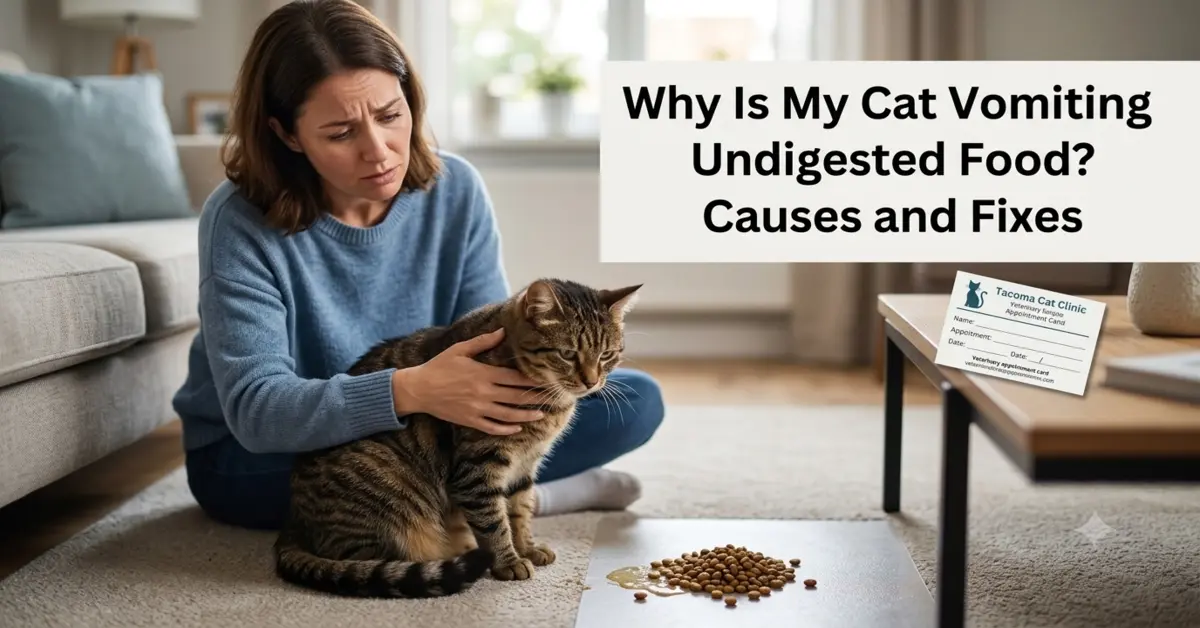
If your indoor cat has gained significant weight over a short period, or if reducing grain-free kibble portions does not produce gradual weight reduction over four to six weeks, book a veterinary appointment.
Unexplained weight gain alongside increased thirst, lethargy, or changes in litter box habits can indicate an underlying condition such as hypothyroidism or diabetes rather than a purely dietary issue. A blood panel rules these out and gives you a clear picture of your cat’s metabolic health before making further dietary changes.
The Bottom Line: Read the Label, Not Just the Marketing
Grain-free does not mean low calorie, high protein, or weight-friendly. For indoor cats burning minimal energy throughout the day, a calorie-dense grain-free kibble is one of the most common and least suspected drivers of gradual weight gain.
Read the guaranteed analysis panel on your cat’s food. Check the calories per serving. Compare it against your cat’s actual daily requirement. And consider whether wet food better serves an indoor cat that needs high protein, low carbohydrates, and consistent hydration in every meal.
The label on the front of the bag tells you what the manufacturer wants you to believe. The panel on the back tells you what is actually inside.